Essential Checks Before Your Hatta Mountain Day Trip
Planning a day trip to the Hatta mountain region near Dubai is an exciting prospect. The area offers a refreshing change of scenery from the city, with its rugged peaks, clear blue waters at Hatta Dam, and a range of outdoor activities. However, a successful trip requires a bit of advance planning. Knowing what to check before you go can make the difference between a smooth, enjoyable outing and a day of avoidable hassles.
This article walks you through the key points to consider, from vehicle readiness to activity permits and packing essentials. By running through these checks, you can ensure your visit is comfortable, safe, and rewarding.
Check Your Vehicle and Route
Getting to Hatta involves a drive of roughly 90 minutes from Dubai, mostly along the E44 highway. The road is generally well-maintained, but it does include some steep sections and sharp bends, especially as you approach the Hatta mountains. Before you set off, check that your vehicle is in good condition. Ensure the tyres have adequate tread and are properly inflated, as the desert heat can cause blowouts on worn tyres. Check your coolant and oil levels, particularly if you are driving during the hotter months. A simple visual check of your radiator hoses for cracks can save you from a breakdown far from help.
Your route should also be planned in advance. While most GPS apps will direct you to the Hatta Dam or Hatta Heritage Village, mobile reception can be patchy in some of the deeper wadis. Download offline maps or carry a physical road map as a backup. Also, check the fuel gauge. Petrol stations are available along the E44 and inside Hatta town, but they can be spaced out. Topping up before you leave the city is a good habit. Finally, consider the time of day you travel. Weekends and public holidays see heavier traffic, and the road can become congested near the dam area. Leaving early in the morning, around 7 or 8 am, gives you a more relaxed drive and more time to explore.
Verify Activity Permits and Bookings in Advance
Many of Hatta's popular attractions require advance booking or a permit. Spontaneous visits without checking availability can lead to disappointment, especially on weekends. The Hatta Wadi Hub, for example, offers activities like ziplining, archery, and mountain biking. These sessions fill up quickly, particularly during cooler months. Check the official website or app for the Hatta Wadi Hub to see what is available on your chosen date and book your slots. The same applies to Hatta Kayak at Hatta Dam. Kayak rentals are managed through a specific vendor, and you must book a time slot online. Without a reservation, you may find the bay fully booked and have to wait for a cancellation.
For those planning to use the Hatta Mountain Bike Trail, a permit is required. The trail is a well-marked, graded network, but access is controlled. You can obtain a permit online through the official channels. If you are bringing your own mountain bike, check the trail map in advance to choose a route that matches your fitness and skill level. The trails range from beginner-friendly loops to advanced downhill sections. If you plan to hire a bike on site, confirm availability at the Hatta Wadi Hub. Rental stock can run out, especially for larger or smaller frame sizes. Making a booking a few days ahead gives you peace of mind.
Check Weather Conditions and Temperature
Hatta's climate can be very different from Dubai's coastal weather. The Hatta mountains create their own microclimate. In summer, temperatures can be slightly cooler than in the city, but they still reach the high 30s Celsius. In winter, the mercury can drop to single digits at night, and daytime temperatures are pleasantly warm, often between 18 and 25 degrees Celsius. Check a reliable weather forecast for Hatta itself, not just Dubai. Pay attention to wind speed, as strong winds can make kayaking difficult and make outdoor activities less pleasant. Rain is rare but not impossible, and when it does rain, the wadis can flood quickly. Flash floods are a real risk in the Hatta area, so if heavy rain is forecast, it is wise to postpone your trip.
Also consider the time of sunset. Daylight hours shift throughout the year. If you plan to be outdoors until late afternoon, note when the sun goes down. The mountains cast long shadows, and temperatures drop quickly after sunset. Having a plan for the late afternoon, whether that is heading to a restaurant or returning to the car, helps you avoid being caught out in the dark without proper lighting.
Pack the Right Gear and Supplies
What you bring will depend on your planned activities, but a few items are essential for any trip to the Hatta mountains. Comfortable walking shoes are a must, as the terrain is rocky and uneven. Sun protection is critical: a wide-brimmed hat, sunglasses, and high-SPF sunscreen will protect you from the intense UV rays that reflect off the water and rocks. Carry plenty of water. A general rule is to bring at least 1.5 to 2 litres per person for a day trip, more if you plan to hike or bike. Rehydrating after physical activity is important, so include electrolyte tablets or a sports drink.
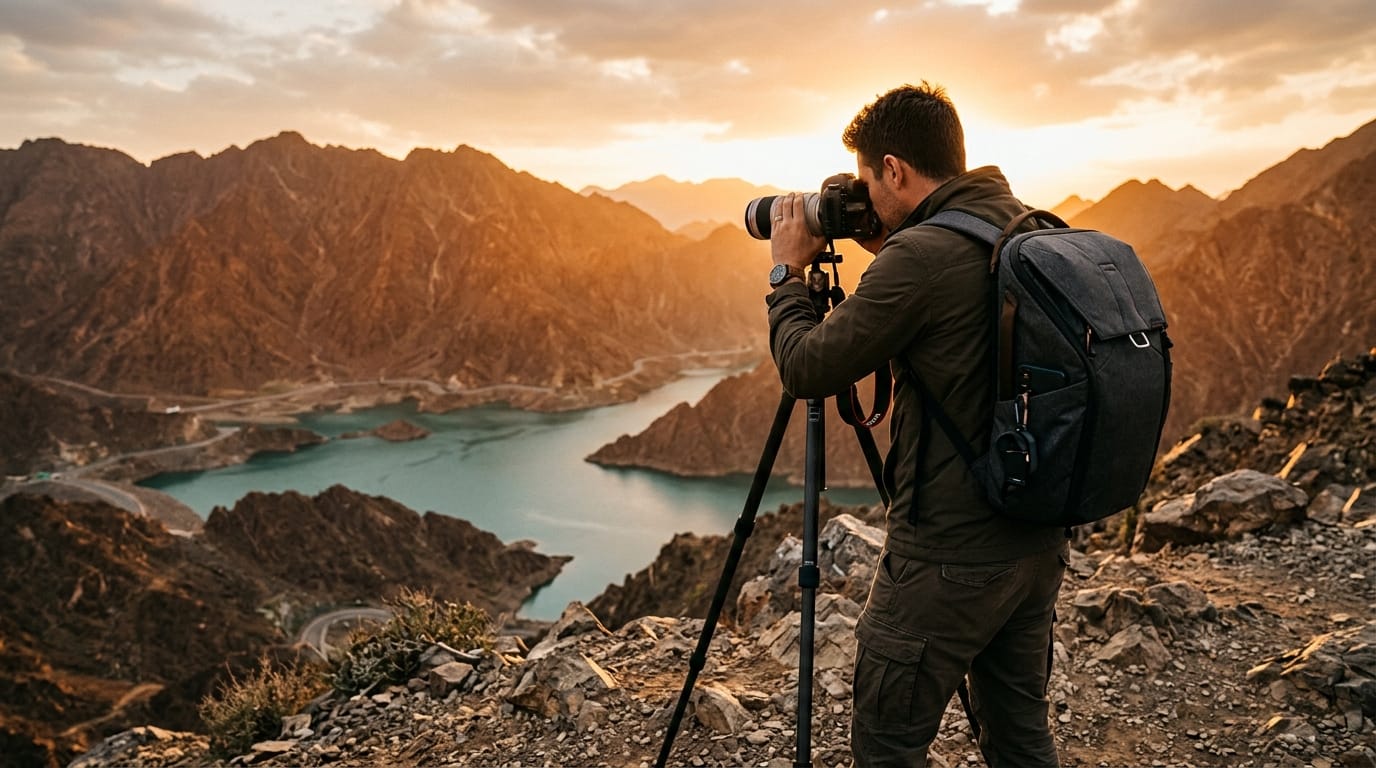
Snacks are also a good idea. While there are cafes and restaurants at the Hatta Wadi Hub and near the dam, they can be busy, and options are limited. Packing nuts, fruit, and sandwiches allows you to eat when you want without queuing. If you plan to swim in the Hatta rock pools, bring a towel, swimwear, and a change of clothes. The rock pools are natural and can be slippery, so water shoes are advisable. A small first-aid kit with plasters, antiseptic wipes, and pain relief is a sensible addition, as minor cuts and scrapes are common when scrambling on rocks. For photographers, a lens cloth for dust and a polarising filter for reducing glare on the water will improve your shots.
Understand the Rules and Etiquette
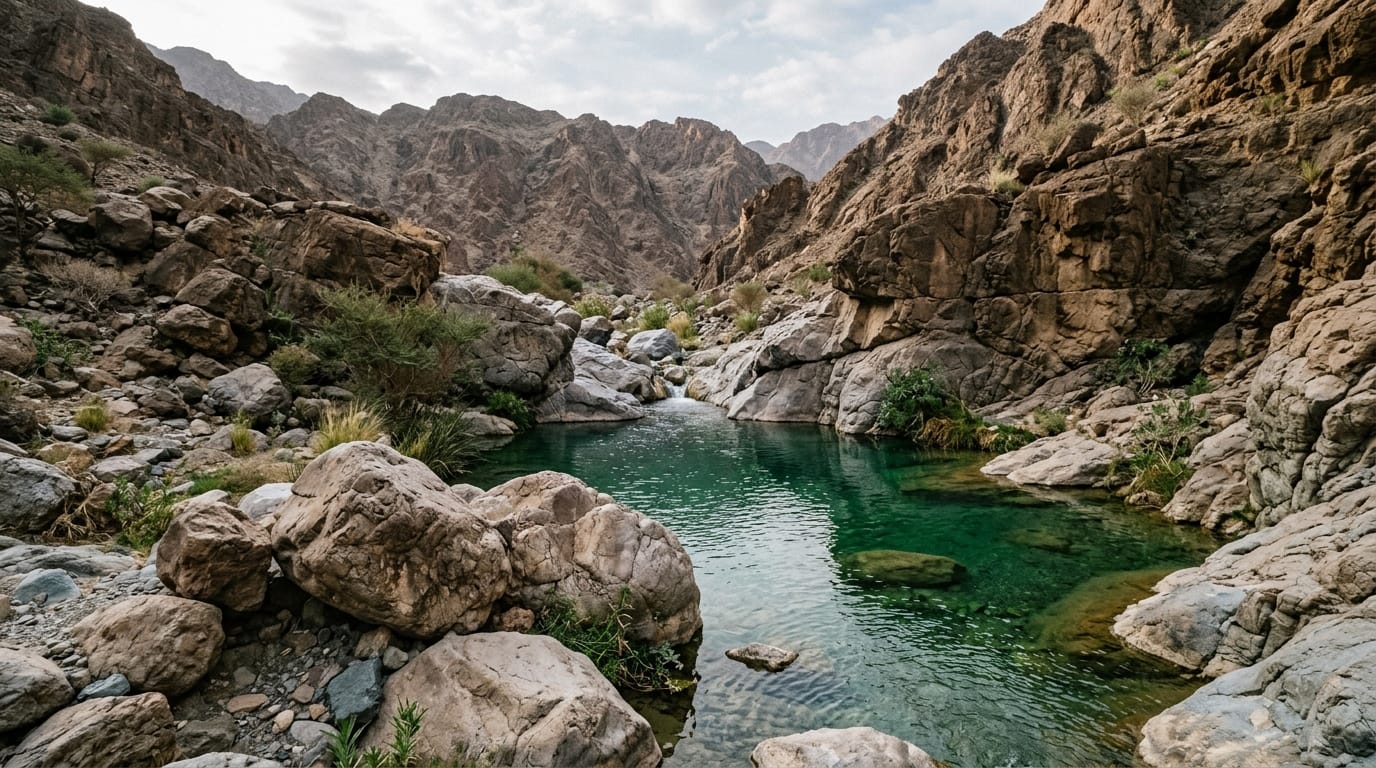
Hatta is a popular destination, but it is also a sensitive natural and cultural area. Respecting local rules and customs ensures everyone can enjoy the place. Littering is strictly prohibited, and fines can be issued. Carry a rubbish bag and take all waste back with you. The Hatta Heritage Village and Hatta Fort are historical sites; treat them with respect, do not climb on walls, and follow any signage. Swimming is allowed in designated areas only, such as the Hatta rock pools. Swimming in Hatta Dam itself is not permitted, and this rule is enforced. The dam is used for water supply and recreation, and swimming there poses safety risks.
Drone flying is restricted in many parts of Hatta, especially near the dam and heritage village. You may need a specific permit from the local authorities. Unless you have checked the regulations and obtained the necessary permissions, leave your drone at home. Similarly, off-road driving is not allowed in protected areas. Stick to marked roads and tracks. The Hatta Mountain Tour Dubai official site provides clear information on the dos and don'ts for visitors, so it is worth reviewing their guidelines before you go.
Plan Your Meals and Refueling Stops
Eating options in Hatta are concentrated around the dam area and the Hatta Wadi Hub. There are a few cafes and restaurants, but they can get crowded, especially around lunchtime. If you have dietary restrictions, check menus online in advance. For a more peaceful experience, consider having a picnic. There are designated picnic areas with tables and shade near the dam and at Hatta Hill Park. Bring your own food and drinks, and arrive early to secure a spot. If you plan to cook using a portable barbecue, check if that is allowed in the specific area you choose; some parks have restrictions during dry months due to fire risk.
After a day of activities, you may want a proper meal before heading back to Dubai. The Hatta town centre has a few restaurants serving traditional Emirati and international cuisine. However, many close by mid-afternoon and reopen only for dinner. If you are leaving Hatta in the late afternoon, you might find limited options. It is a good idea to have a late lunch or early dinner before 4 pm, or to have a substantial snack ready in the car. Planning your refueling stops also applies to your vehicle: there is a petrol station on the way into Hatta, but it can have long queues on weekends. Filling up in the morning before you leave Dubai is often quicker.
Check Mobile Coverage and Connectivity
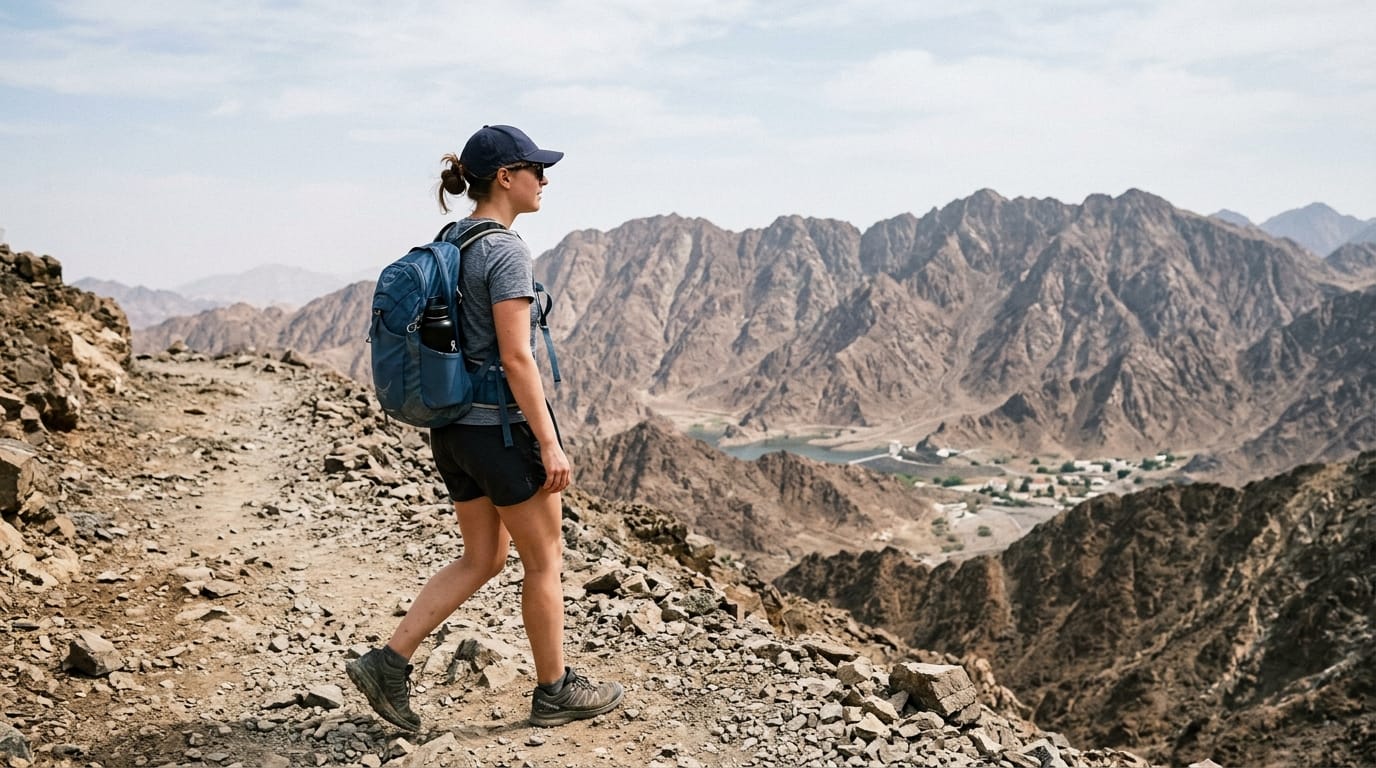
Mobile phone reception in the Hatta mountains can be inconsistent. While the main roads and the dam area generally have good coverage, once you venture into the wadis or on the mountain bike trails, signal strength drops. This is important for two reasons: first, for navigation, and second, for emergencies. Download offline maps on your phone before you leave. Save a screenshot of the trail map or a photo of the road signs. If you are hiking or biking alone, consider carrying a personal locator beacon or a satellite messenger. In an emergency, being able to call for help is vital, and a patchy signal can delay assistance.
Also check that your mobile phone is fully charged. The drive to Hatta can drain the battery if you are using it for music or navigation. A portable power bank is a wise addition to your daypack. For families, ensure that children have a way to contact you if they get separated. A simple solution is to write your phone number on a piece of paper and put it in their pocket. The Hatta Mountain Tour Dubai official site offers advice on safety and connectivity, and it is a useful resource to review before your trip.
By running through these checks before you leave, you set yourself up for a day of exploration and relaxation. A little preparation goes a long way in ensuring your time in the Hatta mountains is memorable for all the right reasons.